Seminar recap: comparing trap layers across three lots
At our October online seminar, members compared nitride trapping layers from three donor lots and left with a short list of measurements to try next.
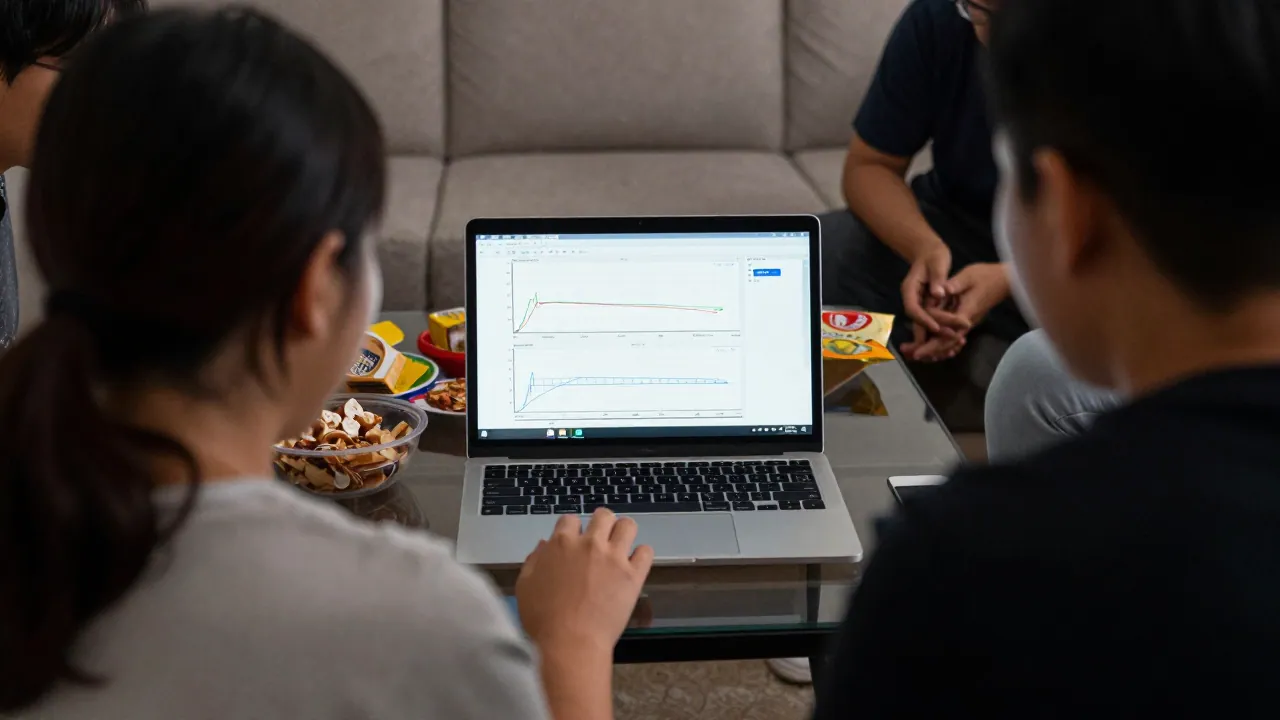
We held our monthly seminar on the second Thursday in October, online as usual, with twelve members joining from home benches and shared lab spaces across three time zones. The topic was lot-to-lot variation in nitride trapping layers, something several of us have bumped into quietly when comparing retention curves from parts that should have been identical. Sam Whitfield coordinated, and we kept the session to one hour: two short sets of observations, then open discussion. Our goal was not to settle the question but to agree on what to measure next. As with all our sessions, the notes below are open, and we welcome corrections. This recap follows the pattern we described in our seminar notes.
The seminar opened with a quick round of introductions, then moved into the main material. We had asked two members in advance to bring whatever they had on nitride layers from separate lots, and both did: one set from a batch of test structures, another from a small stack of retired parts. The point was not to compare labs but to see whether the same questions came up from different benches.
What the three lots showed
The first set of observations came from program pulses on equivalent cells. After the same pulse sequence, flatband voltage shifts differed by roughly 80 mV between the lowest and highest lot. That is not huge, but it is larger than the read noise on the setup used, so it caught attention. The second set looked at erase behavior and saw a similar spread, though less pronounced.
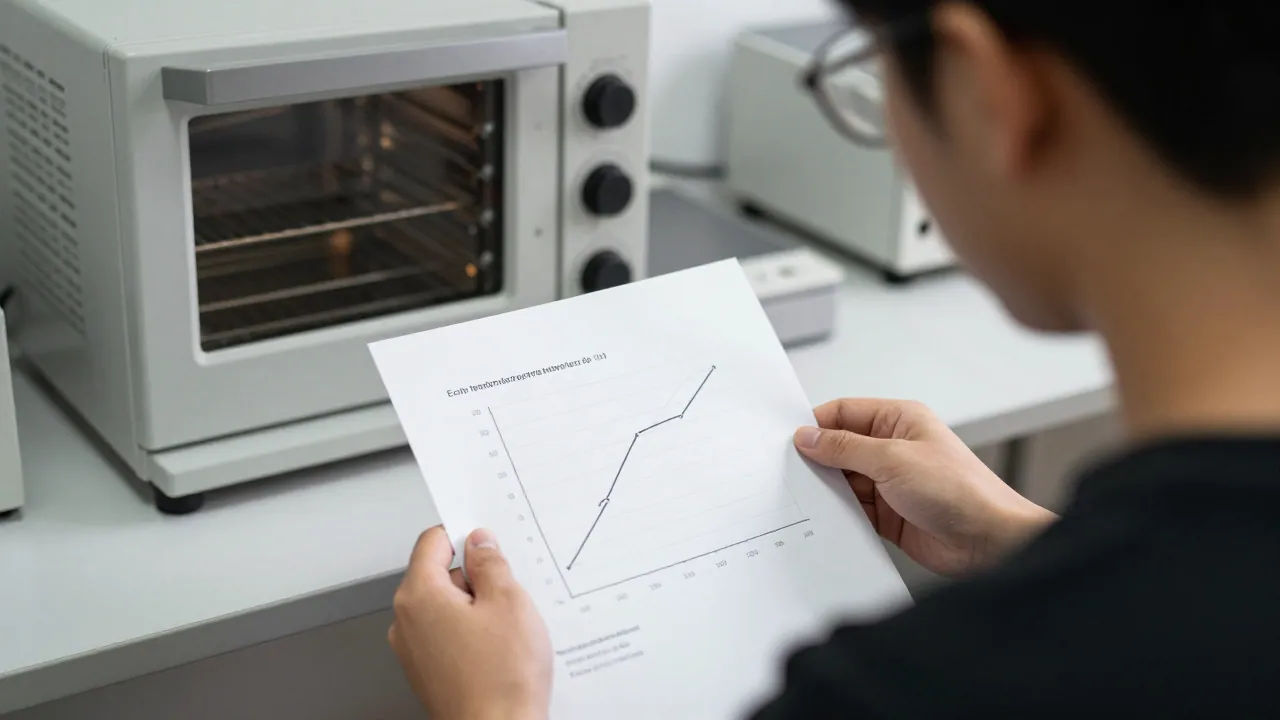
The most useful moment came when we put the retention curves side by side. A bake at 150 °C for two hours separated the lots more cleanly than any room-temperature measurement that day. One lot drifted noticeably faster in the first thirty minutes, then flattened. That shape is familiar to anyone who has stared at retention curves and trap energy depth, and it gave us a concrete thing to chase.

Questions that came up in discussion
The discussion was lively and stayed practical. We did not try to explain the variation away. Instead we collected the questions that seemed worth carrying forward:
- Is the shift in flatband voltage stable across repeated program and erase cycles, or does it walk?
- Does the bake temperature change the ranking of the lots, or only the speed of the drift?
- How much of the spread comes from the nitride itself versus the sealing layer on top?
- What is the simplest measurement we can all repeat without new equipment?
The sealing layer question led us back to what our spring retention tests showed about sealing layers. We did not resolve it, but we agreed that any next comparison should note whether a sealing layer is present, because that alone could explain part of the spread.
What I liked was that nobody rushed to a conclusion. We left with a short list of measurements, not a story about why one lot was better. That is the right order.
A short list of measurements to try next
By the end of the hour we had agreed on a minimal set of measurements that members can run on their own benches and bring back to the next session. The idea is to keep it small enough that people actually do it:
- Record flatband voltage after a fixed program pulse on at least five cells per lot.
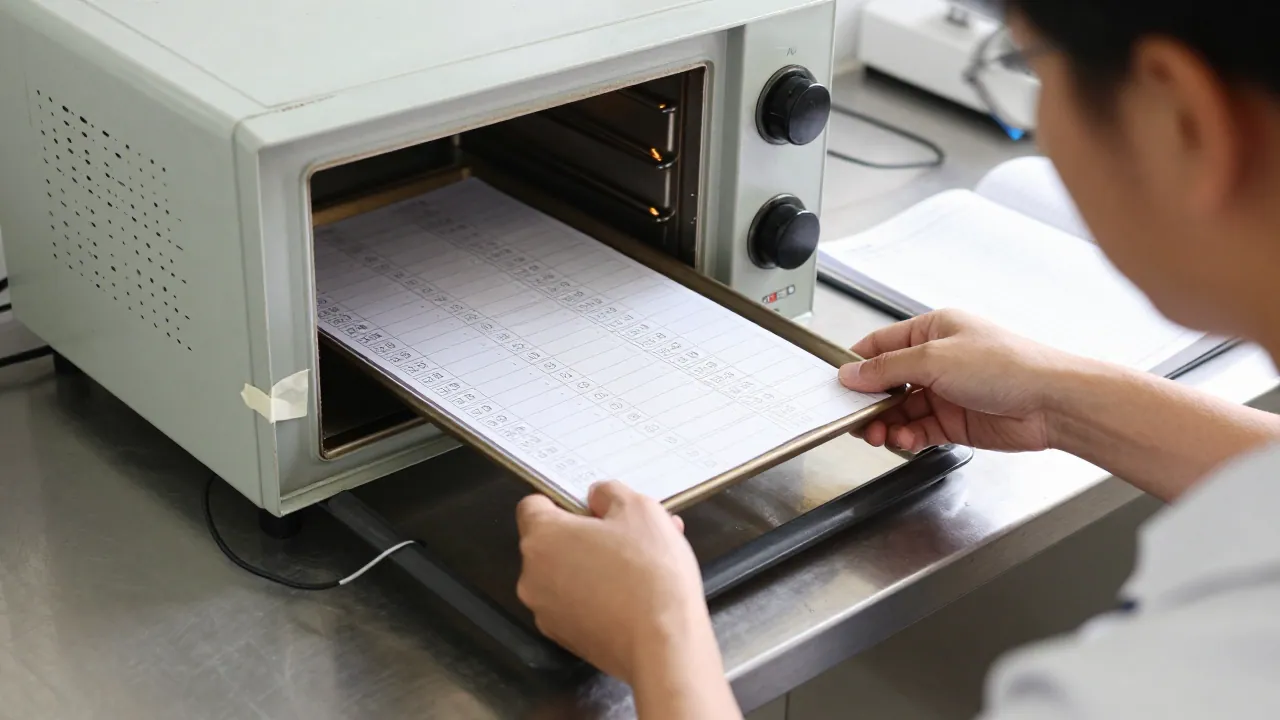
- Run a 150 °C bake for two hours and take readbacks at 0, 15, 30, 60, and 120 minutes.
- Note the presence or absence of a sealing layer and the nitride thickness if known.
- Post the raw numbers, not just the averages, so others can see the spread.
We also reminded each other to check numbers twice before posting, a habit we wrote about in why we check numbers twice before posting results. It sounds fussy until you catch a units error in your own table.
What is planned next
The next seminar is scheduled for the second Thursday in November, same time, same online format. We will spend the first half on whatever numbers members bring back from the measurement list above, and the second half on the broader question of nitride material analysis, which we sketched out in three open questions on nitride material analysis.
If you have a lot you would like to compare, bring it. The sessions are informal, and the notes are shared afterward. We are not trying to build a formal round robin, just a habit of looking at the same question from more than one bench.
Questions people ask
What was the main finding of the seminar?
There was no single finding. The group observed measurable lot-to-lot variation in flatband voltage and retention drift, and agreed on a short list of measurements to compare more carefully next time.
Can I bring my own lot data to the next session?
Yes. Members are encouraged to bring raw numbers from the measurement list, even if incomplete. The discussion is more useful when several benches contribute.
Do I need special equipment to take part?
No. The measurement list was designed around simple program pulses and a bake oven. If you can measure flatband voltage and take readbacks over time, you can contribute.