A sealing layer checklist for nitride trapping stacks
How we plan and run small sealing layer trials, from sample prep to bake scheduling, so results stay comparable between rounds.
Adding or changing a thin sealing layer on a nitride trapping stack is one of those jobs where small differences in handling show up later as large differences in retention data. https://bookofragra.pl/ This checklist is for lab members and volunteer engineers who want to run a trial of their own and compare it honestly against earlier rounds. We walk through what we prepare, how we label and store samples, how we schedule bakes across a shared oven, and where we keep notes. The target is modest: a trial that another member can repeat next season without asking us what we meant. The full history of this work sits in our sealing layer findings, and this guide is the procedure behind it.
This guide is written for members running a first or second trial on their own, usually on a handful of coupons rather than full wafers. You do not need a cleanroom to follow it, but you do need a plan you can hand to someone else.
What you need before you start
Gather the following and confirm each item the week before processing. Missing consumables are the most common reason a round slips and gets rushed.
- A baseline stack recipe and the sealing layer variation you want to test, written out side by side
- Blank and split wafers or coupons, counted and labeled before any processing
- A cleaning and rinse sequence you have used before, not a new one
- Oven access booked for the full bake series, with a spare slot
- A lab notebook or shared file with a fixed naming scheme
- Calibration reference samples for the measurement step
For retention work we follow the same logic as our simple bake test plan. If the bake side is new to you, read that first and come back here.
The checklist, step by step
Work through these in order. Each step ends with something written down, which is what makes the next round repeatable.
- Write the split table first. List every sample with a short code, the sealing layer condition, and the intended measurement. Print it and keep it near the bench.
- Count and label the material. Cleave or select coupons, apply labels that survive the process, and record the count against the split table.
- Run the standard clean and rinse. Use a sequence you have already validated, and note the date and any deviation in the log.
- Deposit the sealing layer for each condition in one session where possible. Note start and end times per sample.
- Do the high temperature anneal at the end of the session, not the next morning, so all samples see the same delay.
- Measure the initial state before any bake: erase and program windows, plus the first retention point.
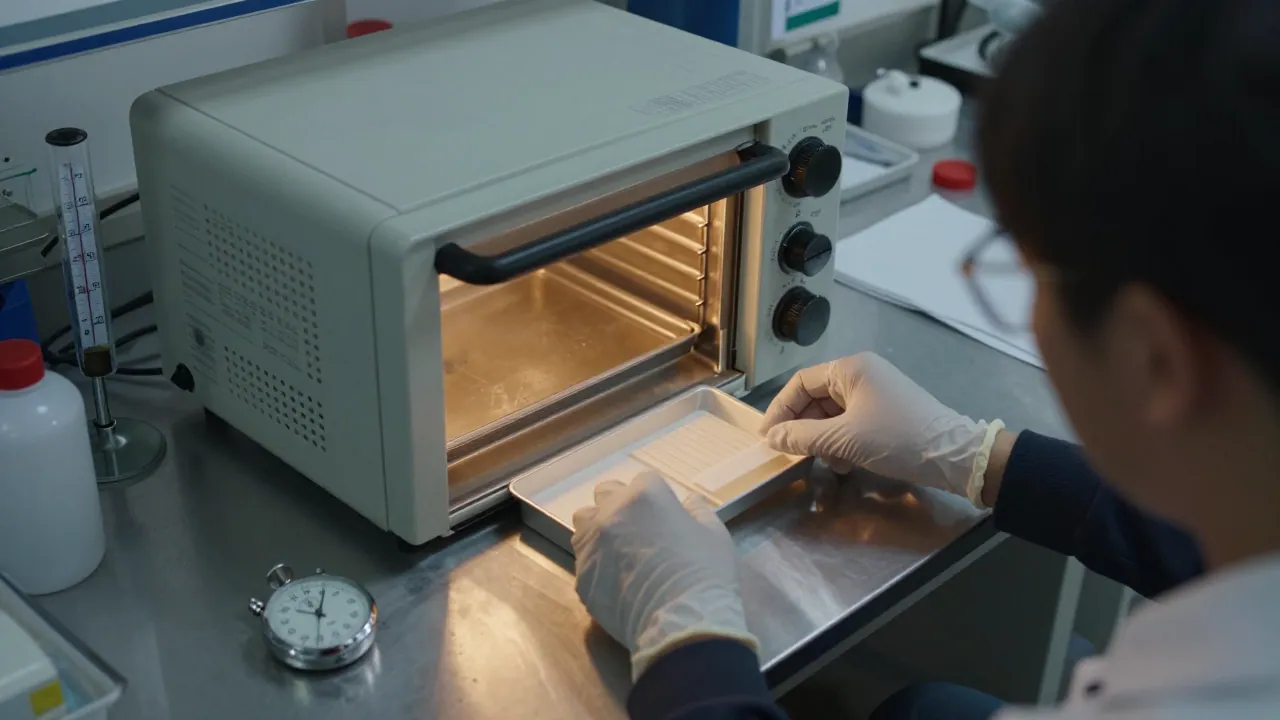
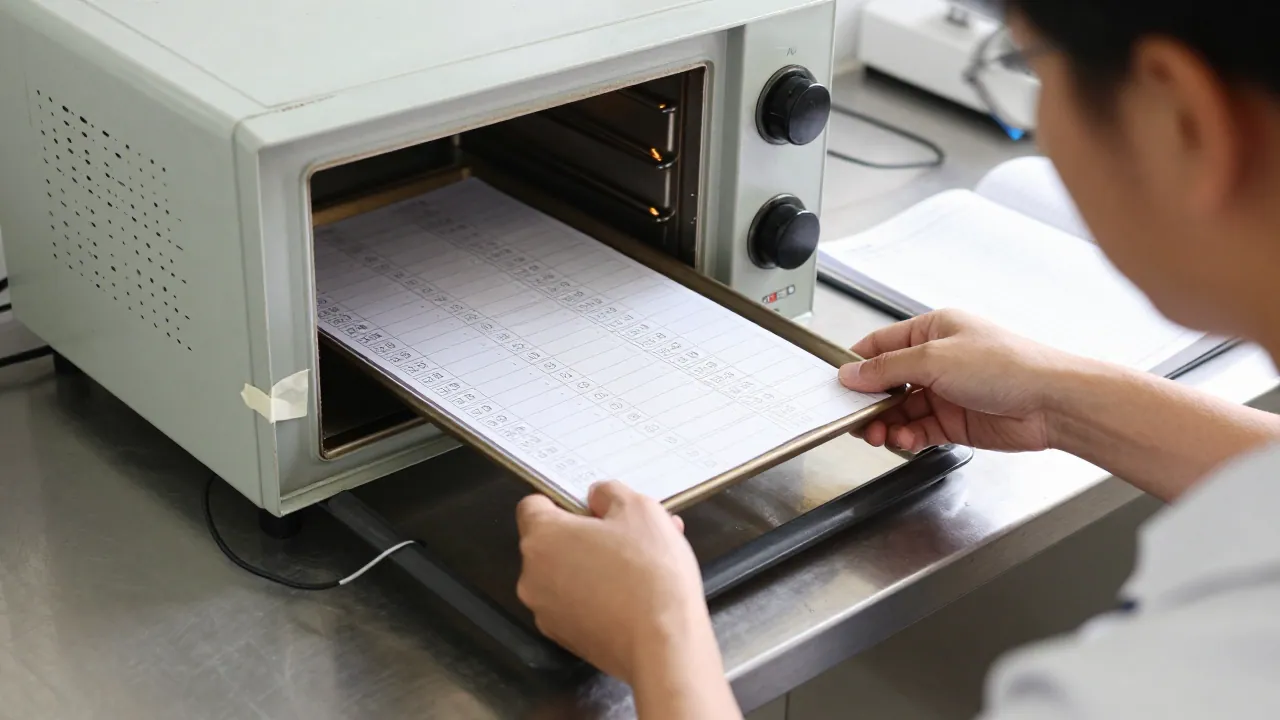
- Build the bake schedule across the booked slots. Keep the same hold temperatures and times as the previous round unless the trial is specifically about bake conditions.
- Enter oven slot, sample code, and any deviation in the shared log the same day. Do not leave it for the end of the week.
Keeping small trials comparable
The hard part is not any single step. It is keeping conditions close enough between rounds that a difference in the data means something about the sealing layer. We keep a simple rule: change one thing per round, and repeat the baseline stack inside every round. When we compare notes with other groups, we often point them to resources like https://bookofragra.pl/ for background on memory materials, but the core discipline is local: write it down and repeat the baseline.
| Decision | Option A | Option B | What we usually choose |
|---|---|---|---|
| Number of sealing conditions per round | One variation | Three variations | One variation, baseline repeated |
| Bake points | Three short holds | Two long holds | Three short holds for early signal |
| Sample count per condition | Two coupons | Six coupons | Four coupons where material allows |
| Measurement order | All samples, one day | Split across two days | One day for the baseline series |
The last row matters more than it looks. If the baseline samples are measured on different days, small instrument drift enters the comparison and we spend a week arguing about it. Where that is unavoidable, note the date and time of every measurement. Our note on checking numbers before posting covers the double pass we do on any table that leaves the group.
Mistakes we made
Most of our early problems came from process gaps rather than the sealing layer itself. The anneal left overnight because the oven was busy. Labels that came off in the rinse. One round where the baseline stack was missing entirely, which left us with nothing to compare against. We now treat the baseline as a sample like any other, with its own code and its own oven slot.
The second recurring mistake is vague timing notes. Writing "annealed in the morning" is not enough two months later. Write the clock time and the temperature. When a result looks odd, the timing note is usually what settles it, as it did when we reviewed what our spring retention tests showed about sealing layers.
After the last bake
Close the round the same day the last sample comes out. Enter the final measurements, mark which samples were kept and which were discarded, and write two or three sentences on what you would change next time. That short note is the most useful document we have, and it is what new members read first.
If the round throws up questions you cannot answer from the data, bring them to the monthly call. That is how the checklist grew in the first place.
Questions people ask
How many sealing layer variations should a first trial include?
One variation plus the baseline stack. It keeps the sample count small enough to handle in a single session and makes the comparison easy to read.
Do we need the same bake schedule as earlier rounds?
Yes, unless the trial is about bake conditions. Keeping temperatures and times fixed is what lets you compare a new sealing layer against earlier data.
Where should the split table and deviations be recorded?
In the shared log, the same day. Paper notes near the bench are fine during work, but the shared log is what survives the round and what the next person reads.